Practical Bushcraft Preparedness (Real Skills That Actually Work in the UK)
Most prepping advice focuses on gear—bags, gadgets, and “just in case” setups.
But what happens when that gear fails, breaks, or isn’t there when you need it?
That’s where bushcraft comes in.
Practical bushcraft preparedness isn’t about fantasy survival scenarios or carrying endless kit. It’s about building real skills you can rely on in the kind of conditions we actually face in the UK—cold, damp, unpredictable, and often uncomfortable.
This is a grounded look at what bushcraft preparedness really means, and how to approach it in a way that actually works.
What Is Bushcraft Preparedness?
Bushcraft preparedness is the combination of:
Practical outdoor skills
Minimal, reliable gear
The ability to adapt using what’s around you
It’s not about surviving in extreme wilderness environments for weeks on end.
It’s about being capable when things don’t go to plan—whether that’s:
getting caught out in bad weather
dealing with an unexpected overnight stay
or simply being able to function comfortably outdoors
At its core, bushcraft preparedness is about self-reliance, not dependency on equipment.
Why Bushcraft Matters for Preparedness (Especially in the UK)
The UK environment is very different from the places most survival content is based on.
Here, the real challenges are:
constant damp and rain
limited daylight in winter
cold, not extreme but persistent
heavily managed land
You’re far more likely to face:
being wet and cold
struggling to get a fire going
poor shelter and heat loss
…than anything dramatic.
Bushcraft skills directly address those problems.
They give you the ability to:
stay warm and dry
make fire in less-than-ideal conditions
use simple setups effectively
think clearly under pressure
That’s what real preparedness looks like.
Core Bushcraft Skills for Practical Preparedness
If you strip everything back, a few core skills make the biggest difference.
Fire
Fire is one of the most important skills you can develop.
Not just lighting one—but lighting one:
when it’s wet
when you’re cold
with limited materials
A reliable fire gives you:
warmth
the ability to dry gear
a way to cook and purify water
Being able to do this consistently matters far more than owning multiple fire tools.
Shelter
You don’t need a complex setup.
You need something you can:
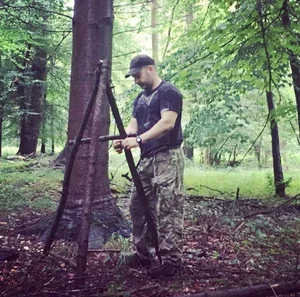
set up quickly
rely on in bad weather
use without overthinking
Simple systems like:
tarps
ponchos
natural materials
can be incredibly effective if you understand how to use them properly.
The goal isn’t comfort—it’s protection from wind and rain, which is what really drains your energy.
Water
Finding water is rarely the issue in the UK.
But managing it safely is important.
You should be comfortable with:
collecting water from natural sources
basic filtration
boiling when needed
This doesn’t need to be complicated. It just needs to be reliable.
Knife Skills and Campcraft
A good knife, used properly, can do a huge amount of work.
Key abilities include:
preparing firewood and kindling
making simple tools
maintaining your kit
It’s not about advanced carving—it’s about practical use.
Navigation Awareness
You don’t need to be an expert navigator.
But you should:
understand where you are
plan basic movement
avoid getting into worse situations
A simple level of awareness goes a long way.
Bushcraft vs Traditional Prepping
A lot of modern prepping focuses heavily on:
stockpiling gear
building large kits
planning for unlikely scenarios
Bushcraft takes a different approach.
It focuses on:
skills first
simple, proven gear
adaptability
That doesn’t mean gear isn’t important—it is.
But the priority is different.
Instead of asking:
“What should I carry?”
Bushcraft asks:
“What can I actually do with what I have?”
That shift in mindset is what makes it practical.
Common Mistakes People Make
When people get into bushcraft or prepping, they often fall into the same traps.
Relying Too Much on Gear
Buying more kit doesn’t build capability.
Skills do.
Overcomplicating Everything
You don’t need:
complex setups
endless tools
overly technical solutions
Simple, repeatable systems work best.
Ignoring Real Conditions
The UK isn’t dry wilderness.
It’s damp, muddy, and unpredictable.
If your setup doesn’t work in those conditions, it’s not practical.
Not Practising
You can’t think your way through bushcraft.
You have to:
test your gear
practise your skills
make mistakes
That’s where real learning happens.
Simple Bushcraft Kit for Preparedness
You don’t need much.
A practical setup might include:
a reliable fixed blade knife
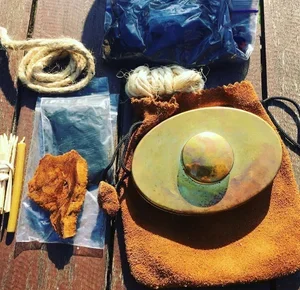
simple fire lighting method (plus backup)
tarp or poncho
basic cordage
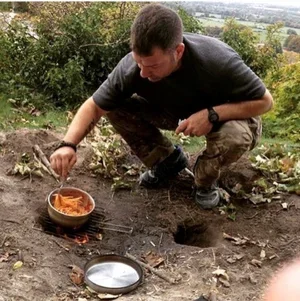
metal container (for water and cooking)
That’s enough to:
make fire
create shelter
stay warm and fed
Everything else is secondary.
Final Thoughts
Practical bushcraft preparedness isn’t about extremes.
It’s about being capable in normal conditions when things don’t go as expected.
You don’t need the best gear. You don’t need complex systems.
You need:
a small number of reliable skills
simple equipment you trust
and the experience to use both together
Start small.
Learn the basics.
Build from there.
That’s how real preparedness develops.
FAQs
What is bushcraft preparedness?
Bushcraft preparedness is using practical outdoor skills—like fire, shelter, and water—to stay self-reliant with minimal gear.
Is bushcraft enough for survival?
For most real-world situations, yes. It focuses on the core skills that actually matter in everyday outdoor conditions.
What bushcraft skill should I learn first?
Fire lighting is one of the most useful starting points, especially in wet conditions.