Power Cut Preparation UK: Free 3-Day Emergency Checklist
Most power cuts in the UK are local and short-lived, but even a brief outage can affect lighting, heating, cooking, internet access and mobile phone charging.
Having a basic household plan isn’t about expecting the worst. It simply means knowing where your torches are, having a little food and water available, and making sure everyone in the house knows what to do if the power suddenly goes off.
I’ve created a free three-page printable checklist to help you check what you already own, identify any gaps and prepare without spending money unnecessarily.
What if the power and internet both stop working?
Your broadband router needs electricity, so a power cut will normally stop your home internet immediately.
Mobile phones may continue working for a while, but local phone masts can also be affected. Networks may become busy, batteries eventually run down and online information might not be available when you need it.
That makes a few simple offline backups useful:
Important telephone numbers written on paper
A battery-powered or wind-up radio
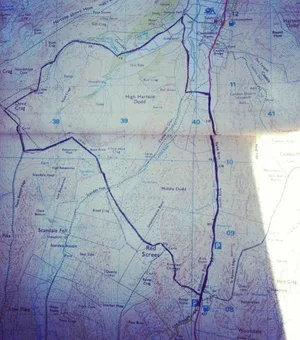
Offline maps saved to your phone
Printed instructions for essential equipment
An agreed family meeting place
Walkie-talkies for short-range communication
Walkie-talkies don’t need mobile signal or internet, but their practical range can be limited by buildings, terrain and local conditions. Test them where you expect to use them rather than relying only on the distance shown on the packaging.
Why prepare for at least three days?
Seventy-two hours is a practical starting point for household planning. It is not a prediction and it does not mean electricity will definitely be restored within three days.
Different incidents can last for very different lengths of time. Your needs will also depend on the number of people in your home, the weather, medical requirements, pets and whether the water supply is affected.
Starting with three days makes the job manageable. Once the basics are covered, you can gradually add more if your circumstances require it.
Water
The checklist uses a planning amount of 3 litres of drinking water per person per day.
For a household of four people:
4 people × 3 litres × 3 days = 36 litres of drinking water
That figure is for drinking. You may need additional water for:
Cooking and preparing drinks
Washing hands
Cleaning utensils and surfaces
Personal hygiene
Pets
Baby formula
Medical equipment or health needs
Use clean, food-safe containers and keep stored water somewhere cool and away from direct sunlight. A water filter and purification tablets can provide useful backups, but they don’t replace having some clean drinking water ready to use.
Food and cooking
Choose familiar food your household will actually eat. Include options that can be eaten cold or require little preparation:
Ready-to-eat tinned food
Long-life meals
Crackers and snacks
Dried fruit and nuts
Cereal
UHT milk
Tea, coffee and comfort foods
Remember to keep a manual tin opener with your supplies.
An outdoor camping stove can provide a useful cooking backup when used correctly, but it must remain outdoors.
Never use camping stoves, barbecues or petrol or diesel generators indoors, inside tents, in garages or in other enclosed areas. They can produce carbon monoxide, which can cause serious illness or death.
Keep outdoor cooking equipment away from doors, windows and air vents, follow the manufacturer’s instructions and make sure it is completely cool before storing it.
Lighting and charging
Torches and battery lanterns are safer and more practical than relying on candles.
Useful items include:
Headtorches for hands-free use
Handheld torches
A battery lantern for the main room
Spare batteries
Charged power banks
The correct charging cables
A car USB charger
Try to keep these items together somewhere everyone can reach in the dark.
Avoid using your phone as your main torch if you can. Preserving its battery may become more important if the outage lasts longer than expected.
Communication
A battery or wind-up radio can provide updates when the television, broadband and mobile network aren’t available.
Write down the frequencies of local and national radio stations in advance and keep them with the radio.
It is also sensible to have the following on paper:
Family telephone numbers and addresses
Medical and emergency contacts
Insurance details
Your agreed family meeting place
The number for reporting a power cut
In Great Britain, call 105 to report or obtain information about a power cut. In Northern Ireland, use 03457 643643. For immediate danger or a life-threatening emergency, call 999.
Warmth, medical supplies and hygiene
If the heating stops during cold weather, choose one main room and close doors to unused rooms. Close curtains, use sleeping bags and blankets, and wear several warm layers including hats and thick socks.
Check that you have:
A household first-aid kit
Regular medication
A printed medication list
Spare glasses and daily essentials
Batteries or charging arrangements for medical equipment
Toilet paper
Soap and hand sanitiser
Wet wipes
Bin bags
Sanitary products where needed
Cleaning supplies
If someone relies on a medical device, telecare system, diabetes monitor or other connected equipment, check in advance how it works without electricity, mobile signal or broadband.
Eligible households should also consider joining their energy supplier’s Priority Services Register.
Download the free printable checklist
This free three-page printable checklist covers water, food, cooking, lighting, charging, communication, warmth, health, hygiene, documents and general household checks.
It includes tick boxes for completed items and space to record quantities, missing supplies and anything you still need to check.
DOWNLOAD FREE 3-DAY POWER CUT CHECKLIST (PDF)
You can also explore my other free bushcraft and preparedness guides.
Final thoughts
Before buying anything, check what you already own.
You may already have suitable torches, blankets, a radio, power banks, camping equipment and long-life food spread around your home. Bringing the useful items together and making sure they work can be more valuable than buying an expensive ready-made emergency kit.
Build your supplies gradually, check batteries and expiry dates every six months, and make sure everyone in the household knows where everything is kept.
A short practice evening without mains power can also reveal simple problems while they are still easy to fix.